Showing posts with label abstract painting. Show all posts

Tuesday, 7 May 2019

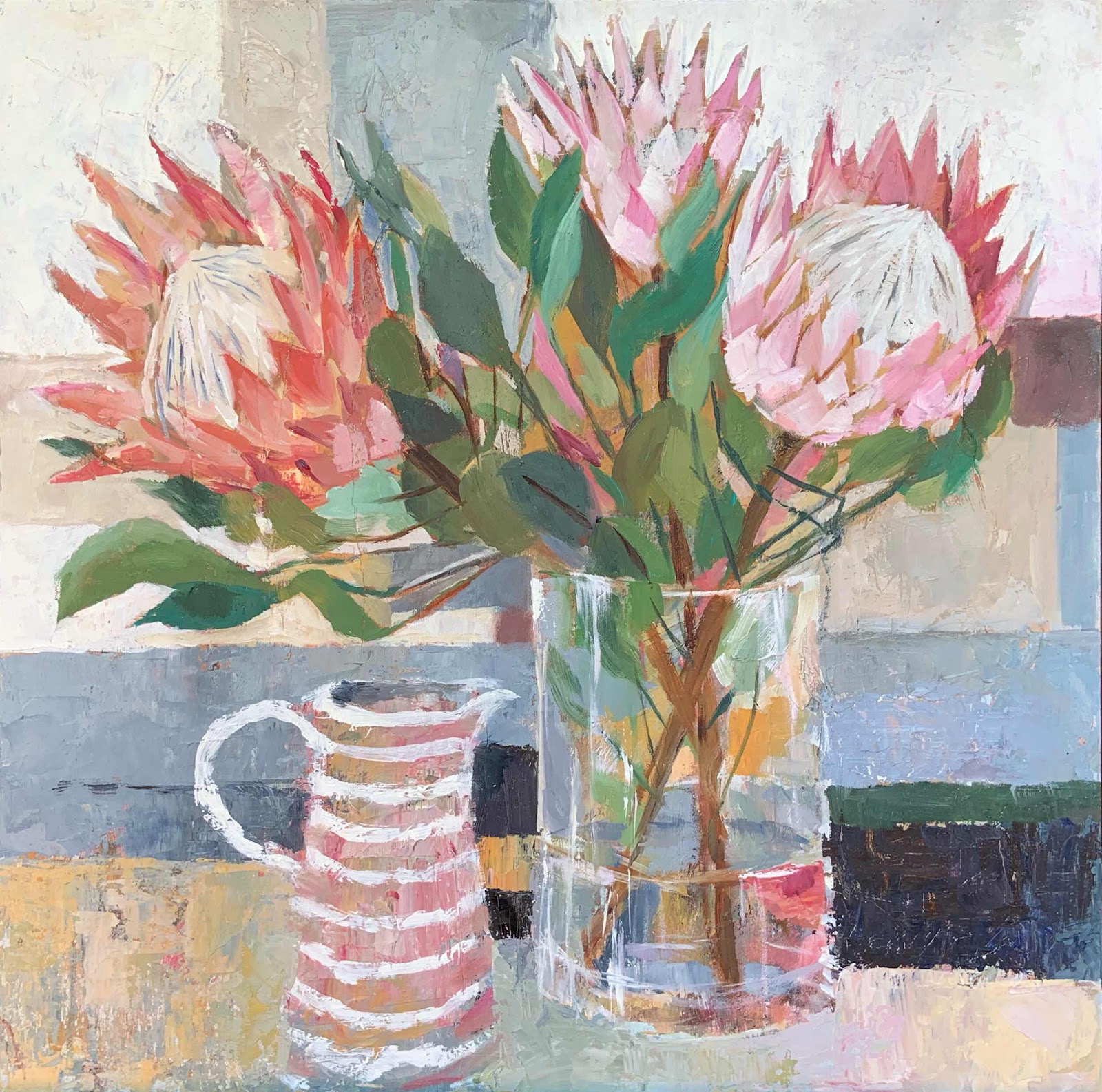
Proteas with a Jug at Rotary Art Spectacular 2019


Proteas with a Jug - oil and cold wax on panel 40 cm x 40 cm 

I am delighted that this little painting will be part of the Rotary Art Spectacular 2019. The exhibition opens on Monday evening - details below in a screen shot from the website.

I have written about the process of this painting in an earlier post which you can find here. I so enjoyed painting it and am so pleased with the result - I just love the colours. It’s really satisfying when everything just “works”. Although as you will have read in the post there were a few obstacles along the way.

Two more of my paintings are part of the Online Exhibition. There were so many entries this year so I am happy to have a painting selected to hang in the show. Once the online catalogue is on the website I’ll add a link here.
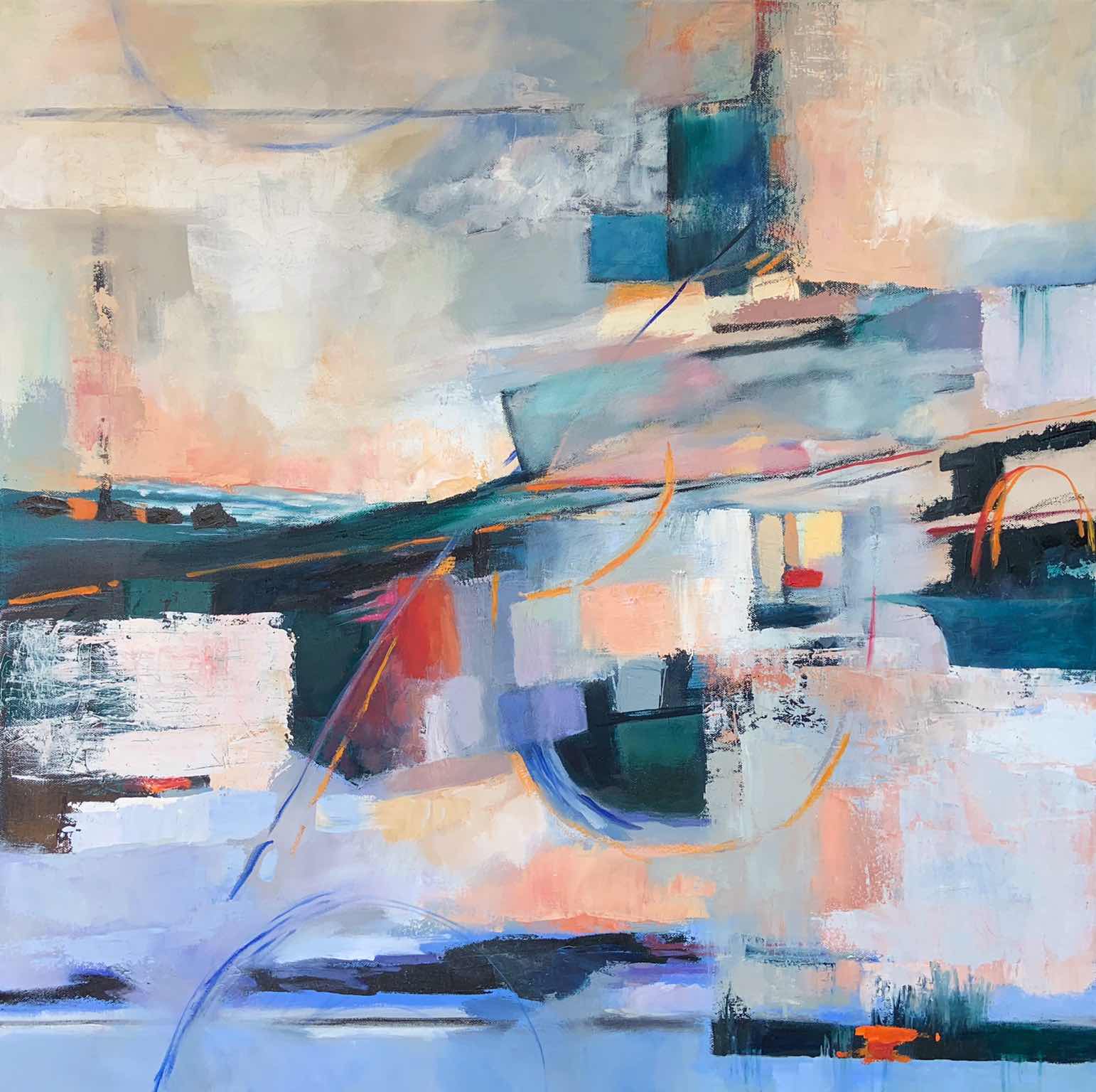


Transition - oil and cold wax on canvas 90 cm x 90 cm 

Digital Painting


Over the last couple of years I have become more and more fascinated wit h digital painting. I still have a lot to learn and try to expand my use of new digital brushes with each new painting. This painting started out as an oil painting on canvas. It had been started some time ago and then left while I went on to paint other images. I hauled it out of storage to re-work it and complete the painting. Photographing work in progress provides a way to assess the quality. I loaded this photograph to Procreate and then I realised that since the entries for the Rotary Exhibition were now open to digital images there was nothing to stop me submitting a digital painting. 
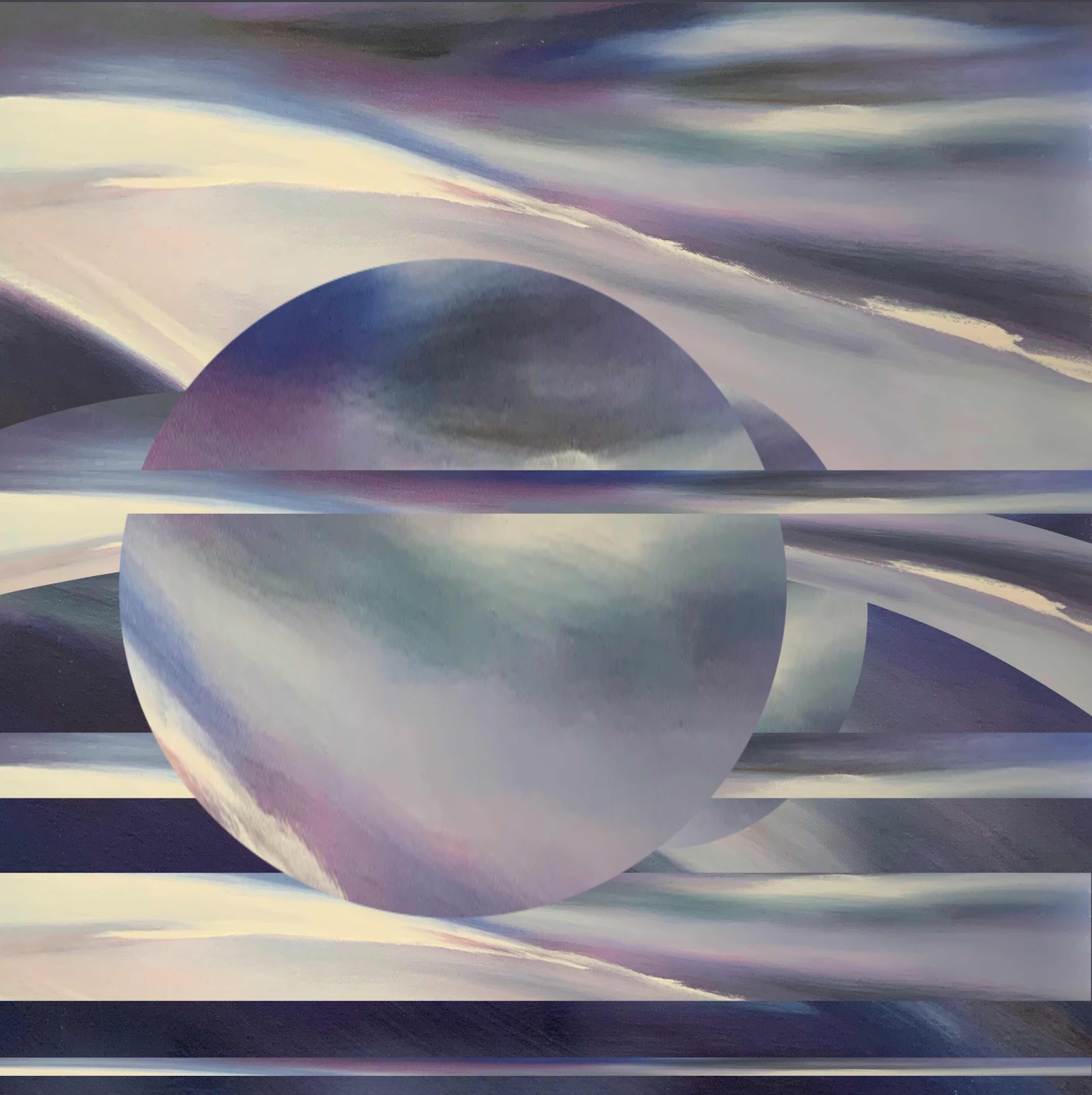


Time and Space - digital painting - suggested size: 60cm x 60 cm. 

Since this is a digital print on archival paper, the size can be altered to suit your requirements. Alternatively the painting can be printed on to a stretched canvas and would then require no framing. 


Tuesday, 25 July 2017

It's me who is my enemy


It’s me who is my enemy
Me who beats me up
Me who makes the monsters
Me who strips my confidence.
~Paula Cole
Please  listen here: Me - Paula Cole


Cannas - watercolour - hand painted collage papers 


Friday, 8 April 2011

Art classes - a leap of faith

Strelitzia pod - charcoal on paper

Sometimes in life on has to be proactive make things happen. Part of my plan when coming here to Australia was to teach - to fulfill my training and vocation as an Art teacher.
If you’ve always wanted to learn to draw and paint and you live in Brisbane here’s your opportunity.
It doesn't matter if you are an absolute beginner or are more advanced - you will enjoy this time to discover your creativity. I believe that anyone can learn to draw so be brave and come along and have fun.
   
I can be contacted on carolbeckx@bigpond.com

Saturday, 19 March 2011

Catastrophes and abstract painting

My intentions are always to follow a coherent logical thread as I write these posts, yet somehow that seldom happens. Life gets in the way.
As I write, I am mindful that we live in uncertain times, times of immense hardship to many people worldwide. As each natural catastrophe unfolds with increasing severity, we are constantly reminded of our frail humanity. We are helpless in the face of the strength and power of nature and can but take the hand that life deals us. We can only watch and pray as we see our fellow human beings suffer – be it those here in Queensland still trying to recover from floods and the cyclone, our friends across the Tasman in Christchurch and those brave souls in Japan, enduring earthquakes, tsunamis and nuclear radiation.
It seems banal to return to my topic of discussing abstract painting – but painting is as important to me as breathing – so I must continue living and painting, and in some way bring some light to dark days.


Flinders Blue - oil on canvas 101cm x 101cm
© 2011Carol Lee Beckx

The evolution of a painting is sometimes rapid other times there are a number of steps along the way. This painting started off with the sketches posted previously. Ideas from my client gave the impetus to creating more curves and flowing lines, and with this direction was able to do a further acrylic sketch.
Acrylic sketch for Flinders Blue

On starting to work in oil on canvas the painting, (as they sometimes do if you’re lucky) took on a life of its own. The end result has luminous colour and lively movement.  I called the painting Flinders Abstract in honour of a new yummy colour I found – Flinders Blue violet.

Monday, 21 February 2011

Moving from the real to the abstract in painting

I have always enjoyed looking for the abstract – even the most realistic image has abstract elements. In ‘an abstract’ a brief summary of a research article or thesis – complex research is succinctly communicated. In an abstract painting, the image is reduced to the essential elements.
The visual language of colour, shape, line and texture creates a new reality in the painting.
Pumula Rocks II  -oil on canvas - 914mm x 914mm
© Carol Lee Beckx
My inspiration is often an image, a photograph I have taken, that, on the face of it, is realistic. Photographing the coast at different times and under different weather conditions developed my interest in the rocks, sea and sand as subject.


 The Rock Series started with paintings that were realistic in execution and intent. As the series progressed, I became engrossed with finding sections of my reference that possessed abstract compositional elements that I could utilise.
Heavier impasto paint, layered and incised, and glazes of colours all contribute to the expression of monumentality and permanence. The textured paint builds up the surface and creates shadows that blur the boundaries between a flat canvas and three-dimensional relief.
Pumula Rocks III - oil on canvas 914mm x 760mm
© Carol Lee Beckx


There remains a semblance of reality – the paintings are not totally abstract. The use of colour becomes more arbitrary and unrelated to the reality of the rocks. The character of the rock also lends itself to the drawn line - calligraphic marks are used to express its textural qualities. The paintings become abstract constructs.